
Every year, the Hong Kong Convention and Exhibition Centre (HKCEC) and AsiaWorld-Expo host hundreds of large-scale trade fairs and exhibitions. From HKTDC Hong Kong Electronics Fair, Hong Kong International Jewellery Show and Food Expo to industry-specific exhibitions, these events attract exhibitors and buyers from around the world.
However, many first-time exhibitors underestimate the preparation time, budget and compliance requirements involved. Poor planning can lead to cost overruns, weak visitor engagement, or even exhibition booth rejection due to venue regulations.
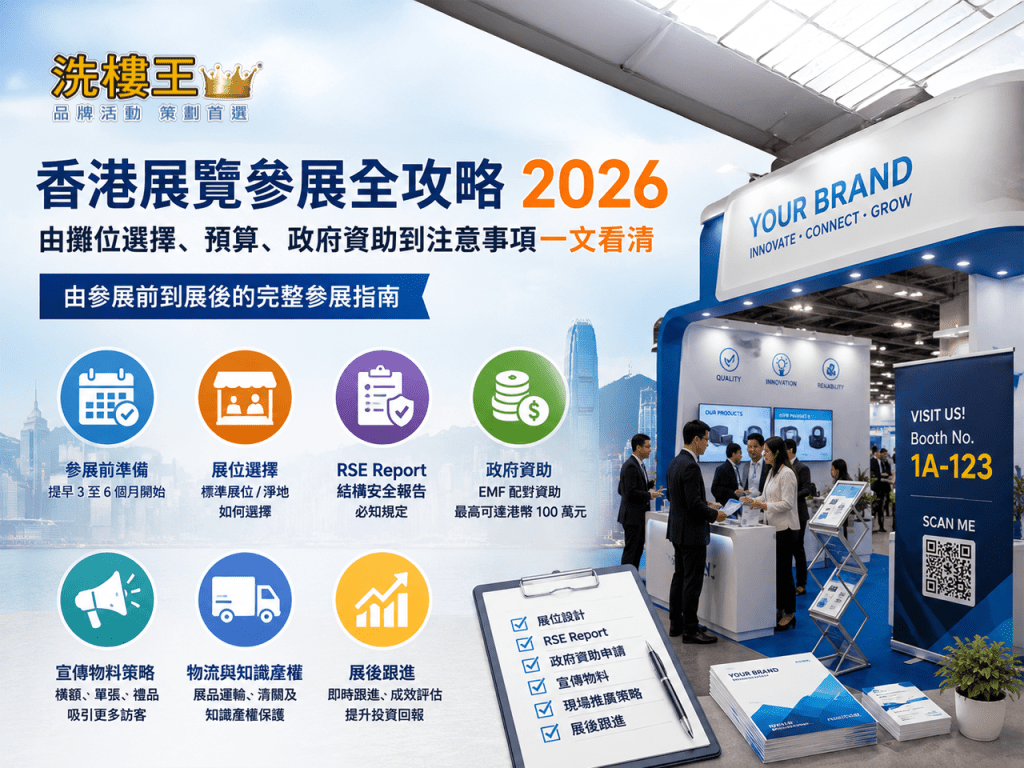
This comprehensive guide covers everything businesses need to know before, during and after an exhibition, including booth selection, budgeting, EMF funding, RSE Report requirements and promotional material planning.
1. Pre-Exhibition Planning: Start 3–6 Months in Advance
Choose the Right Exhibition
The first step is ensuring the exhibition aligns with your business objectives.
Consider the following factors:
- Target audience: retail buyers, corporate purchasers or general consumers
- Exhibition scale and reputation
- Industry relevance and exhibitor eligibility requirements
Businesses should review annual exhibition calendars published by HKTDC and Meetings and Exhibitions Hong Kong (MEHK) to identify suitable events early.
Apply for Exhibition Space Early
Prime booth locations such as corner booths and aisle-facing booths are often sold out shortly after registration opens.
Early application provides several advantages:
- Better booth positioning
- Early-bird pricing discounts
- More time for booth design and preparation
For major exhibitions, exhibitors should secure their booth at least six months before the event date.
Budget Planning
Many companies underestimate the true cost of exhibiting.
Common exhibition expenses include:
- Booth rental fees
- Booth design and construction
- Exhibition graphics and printed materials
- Logistics, insurance and customs clearance
- Staff travel and accommodation
- Venue service charges (electricity, internet and parking)
- RSE Report and engineering fees for custom-built booths
Apply for Government Funding (EMF)
The SME Export Marketing Fund (EMF), administered by the Trade and Industry Department, provides financial support to eligible Hong Kong SMEs participating in export promotion activities.
Current funding arrangements generally provide:
- Government contribution: 25%
- Company contribution: 75%
- Maximum HK$100,000 per application
- Lifetime cumulative funding cap of HK$1 million per enterprise
Eligible activities include overseas exhibitions, international trade fairs and selected local exhibitions targeting overseas buyers.
Important Note:
Applications are currently accepted only for eligible activities completed on or before 30 June 2026. Starting from 1 July 2026, EMF will be integrated into the BUD Fund. Businesses should verify the latest funding arrangements before applying.
Logistics and Intellectual Property Preparation
For imported exhibits, allow sufficient time for customs documentation and shipping arrangements.
Companies showcasing innovative products should also review intellectual property protection measures before participating in international exhibitions.
Pre-Show Marketing
Promotion should begin four to six weeks before the exhibition.
Recommended activities include:
- EDM invitation campaigns
- Social media announcements
- VIP customer invitations
- Early-bird promotional offers
These activities can significantly increase booth traffic during the exhibition.
2. Booth Design and Marketing Materials
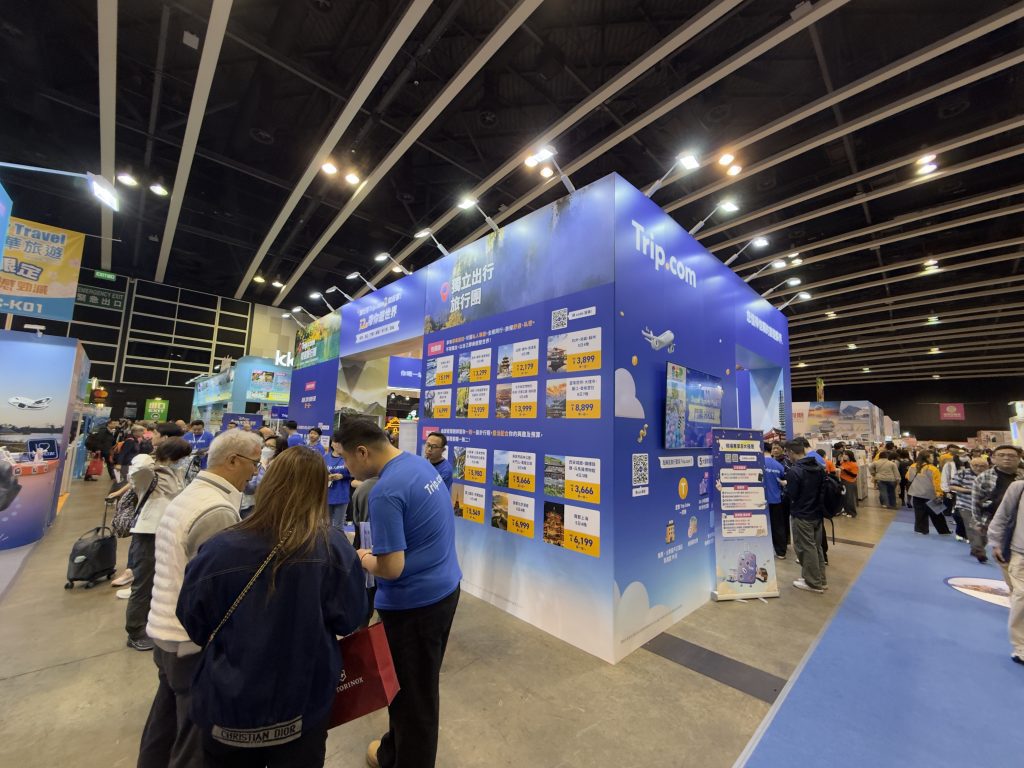
Standard Booth vs Raw Space Booth
Choosing the right booth type is one of the most important exhibition decisions.
Standard Booth
A standard booth typically includes:
- Modular wall panels
- Carpet flooring
- Basic lighting
- Fascia signage
Advantages:
- Lower cost
- Faster setup
- Suitable for first-time exhibitors
Disadvantages:
- Limited design flexibility
- Less visual differentiation
Businesses can enhance standard booths with banners, display panels, LED lightboxes and product displays.
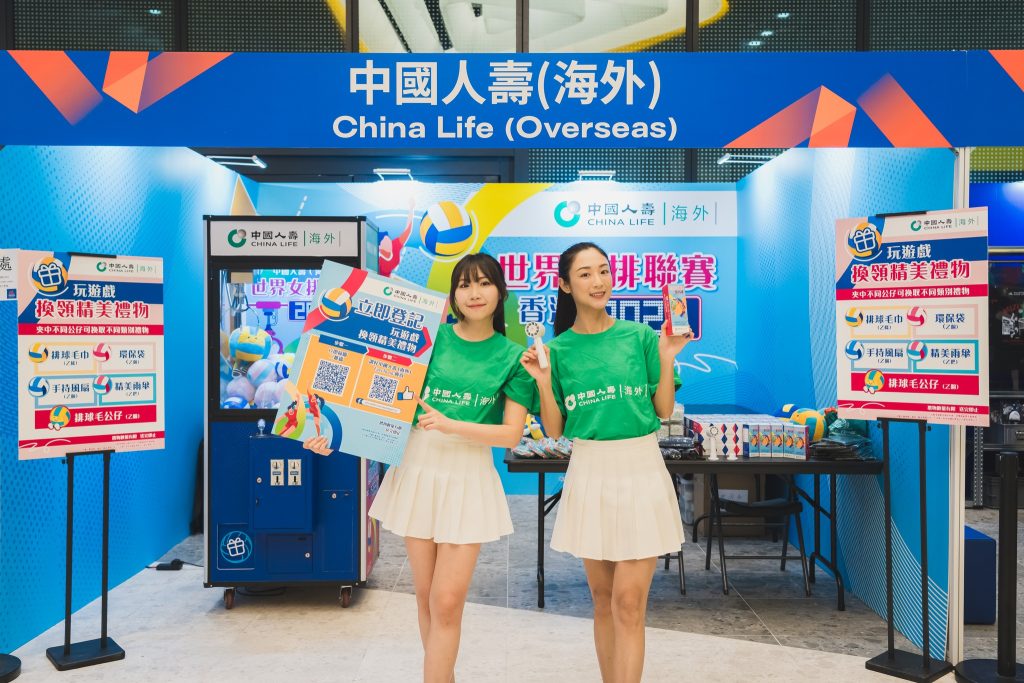
Raw Space / Custom Booth
Raw space booths provide only empty floor space.
Exhibitors are responsible for:
- Booth design
- Construction
- Lighting
- Furniture
- Branding elements
Advantages:
- Complete design flexibility
- Stronger brand presentation
- Better visitor engagement
Disadvantages:
- Higher cost
- Longer preparation timeline
- Additional compliance requirements
For first-time exhibitors, a standard booth is often the most cost-effective starting point.
Exhibition Booth Design Principles
Regardless of booth type, effective exhibition booths should follow these principles:
Strong Visual Impact
Brand logos and key messages should be visible from at least three to five metres away.
Consistent Branding
Colours, typography and visual identity should align with your overall brand image.
Functional Zoning
Create separate areas for:
- Product displays
- Demonstrations
- Business meetings
- Visitor interaction
Smooth Visitor Flow
Avoid blocking entrances and ensure visitors can easily enter and explore the booth.
Essential Exhibition Materials
Recommended materials include:
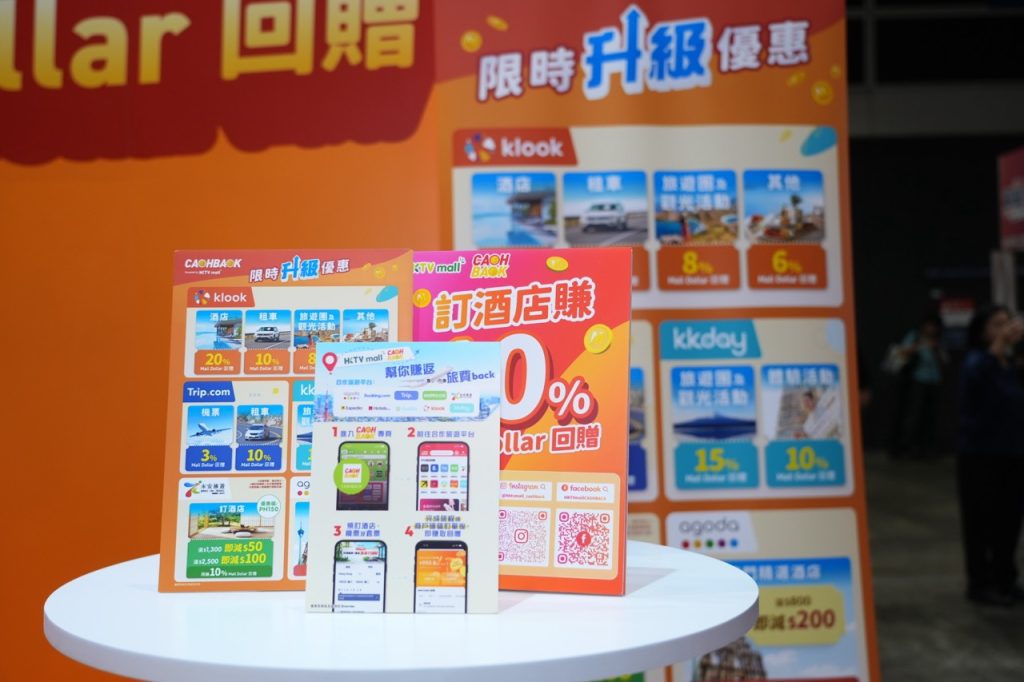
- Backdrops and banners
- Roll-up banners
- Product brochures and flyers
- QR code displays
- Corporate gifts and giveaways
Professional flyer distribution around exhibition venues can further increase exposure and attract visitors to your booth.
Sustainability and Safety Requirements
Many venues require compliance with environmental and fire safety regulations.
Reusable exhibition structures and modular display systems can reduce long-term costs while supporting sustainability initiatives.
3. RSE Report Requirements for Exhibition Booths
What Is an RSE Report?
An RSE Report (Registered Structural Engineer Report) is a structural safety certification issued by a Registered Structural Engineer (RSE) or Authorised Person (AP).
The report confirms that an exhibition structure meets Hong Kong safety standards.
When Is an RSE Report Required?
According to exhibition organiser guidelines, an RSE Report is generally required for:
- Raw space booths exceeding 2.5 metres in height
- Hanging lighting trusses
- Double-decker booths
- Custom-built booths above 4.5 metres
- Structures deemed necessary by venue operators
Standard booths normally do not require an RSE Report unless additional heavy structures are installed.
Submission Timeline
Structural drawings and calculations signed by AP/RSE professionals should typically be submitted several weeks before the exhibition for approval.
Upon completion of booth construction, the final structural safety certificate must be submitted before the organiser’s specified deadline.
Consequences of Non-Compliance
Failure to submit an approved RSE Report may result in:
- Restricted booth access
- Mandatory modifications
- Booth dismantling
- Additional costs borne by the exhibitor
Always engage qualified Hong Kong contractors and licensed AP/RSE professionals to ensure compliance.
4. During the Exhibition
Read the Exhibitor Manual Carefully
The exhibitor manual contains:
- Venue regulations
- Service application deadlines
- Emergency contacts
- Operational requirements
Understanding these requirements can help avoid unnecessary penalties and additional charges.
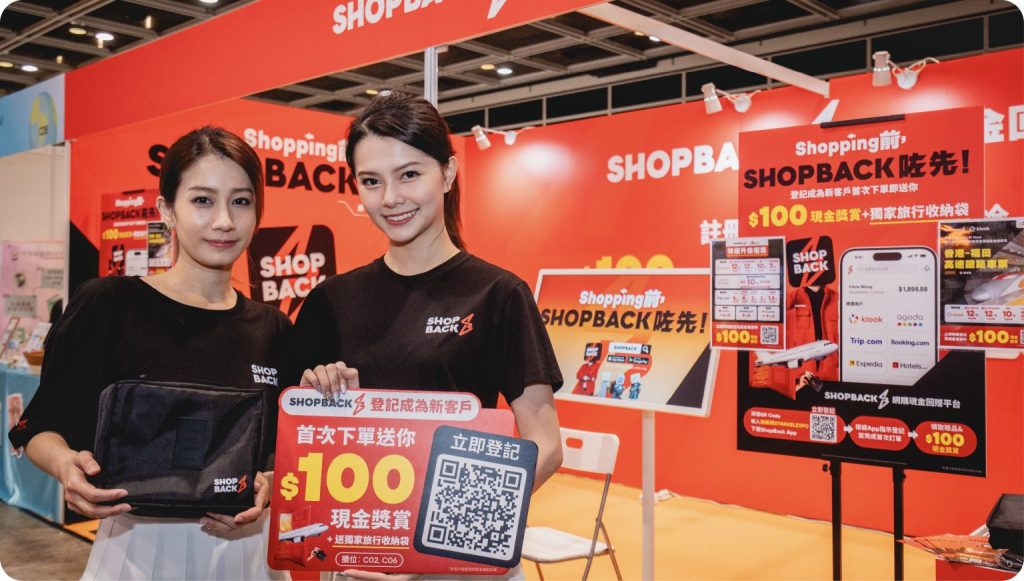
On-Site Promotion Strategies
To maximise booth traffic:
- Distribute flyers near exhibition entrances
- Organise lucky draws or product demonstrations
- Encourage visitor interaction
- Maintain adequate staffing throughout the event
Professional exhibition promoters can help expand outreach beyond booth visitors.
Safety Precautions
- Secure valuable exhibits after exhibition hours
- Record emergency contact information
- Monitor booth structures for damage or safety concerns
5. Post-Exhibition Follow-Up: Turning Leads into Sales
Many exhibitors focus heavily on the event itself but overlook post-show follow-up.
Follow Up Within 24–48 Hours
Prompt follow-up significantly improves conversion rates.
Recommended follow-up actions include:
- Thank-you emails
- WhatsApp follow-up messages
- Product catalogues
- Exclusive post-event offers
Measure Exhibition ROI
Evaluate key performance indicators such as:
- Number of leads generated
- Meeting-to-sale conversion rate
- Estimated return on investment (ROI)
These insights will help improve future exhibition strategies.
Reuse Exhibition Assets
Store reusable display structures and marketing materials for future events to reduce costs and improve sustainability.
6. Practical Tips for First-Time Exhibitors
- Start planning at least 3–6 months in advance
- Begin with a standard booth before investing in a custom build
- Integrate online and offline marketing (O2O strategy)
- Use QR codes to capture leads efficiently
- Invest in reusable exhibition systems
- Develop a post-event SOP for continuous improvement
Need Exhibition Promotion and Flyer Distribution Support?
A successful exhibition requires more than an attractive booth. Effective promotional materials and on-site marketing strategies are equally important.
FlyerKing provides:
- Flyer design and printing
- Exhibition flyer distribution
- On-site promotional staffing
- Nearby venue marketing campaigns
Our one-stop exhibition marketing solutions help businesses maximise visibility before, during and after trade shows.
looking for a customised exhibition promotion quotation and turn exhibition traffic into business opportunities?|contact Flyer King ›