
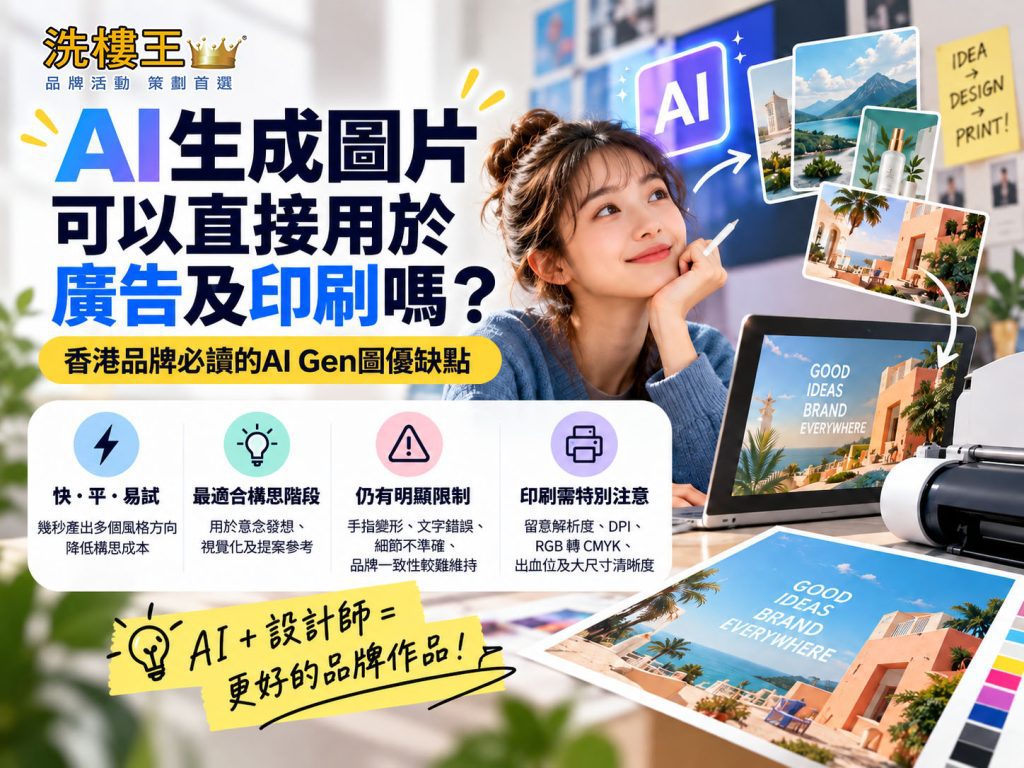
Over the past year, more Hong Kong brands have started experimenting with AI-generated visuals, with some even releasing fully AI-produced brand videos. AI-generated images have moved from a novelty to a everyday marketing tool. From social media posts and mood boards for proposals, to campaign concepts, posters, and event visuals, AI can produce a visual reference in seconds. But can AI-generated images be used directly in formal advertising and printed materials? Here’s what brands need to know.
The Benefits of AI-Generated Images: Fast, Affordable, and Easy to Explore
The biggest advantage of AI-generated images is speed and cost. Developing a campaign direction traditionally required arranging a photoshoot or commissioning an illustrator, which comes with a higher cost and time barrier. Now, a simple text prompt can produce multiple style directions within minutes — ideal for early-stage brainstorming, building mood boards, and presenting concepts to clients. For marketing teams that need to validate creative directions quickly, AI significantly lowers the cost of concept development.
Which Stage Is AI Best Suited For?
It’s worth noting that AI-generated images should play this role:
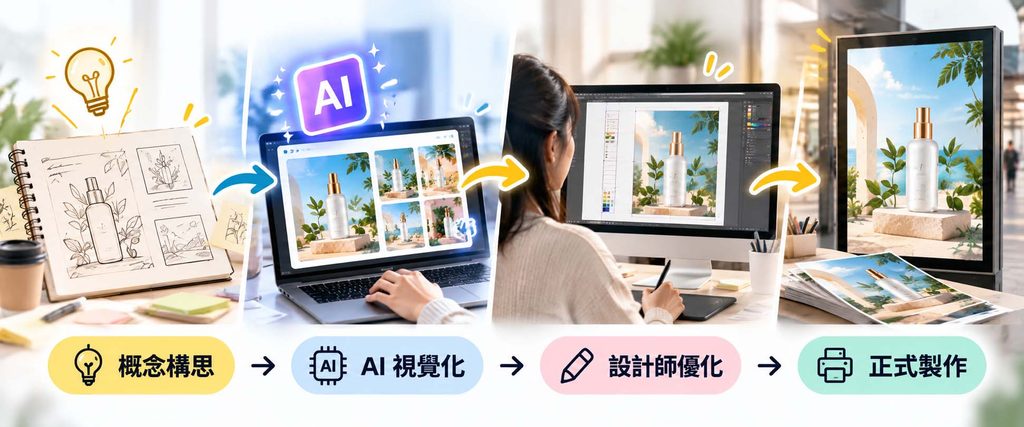
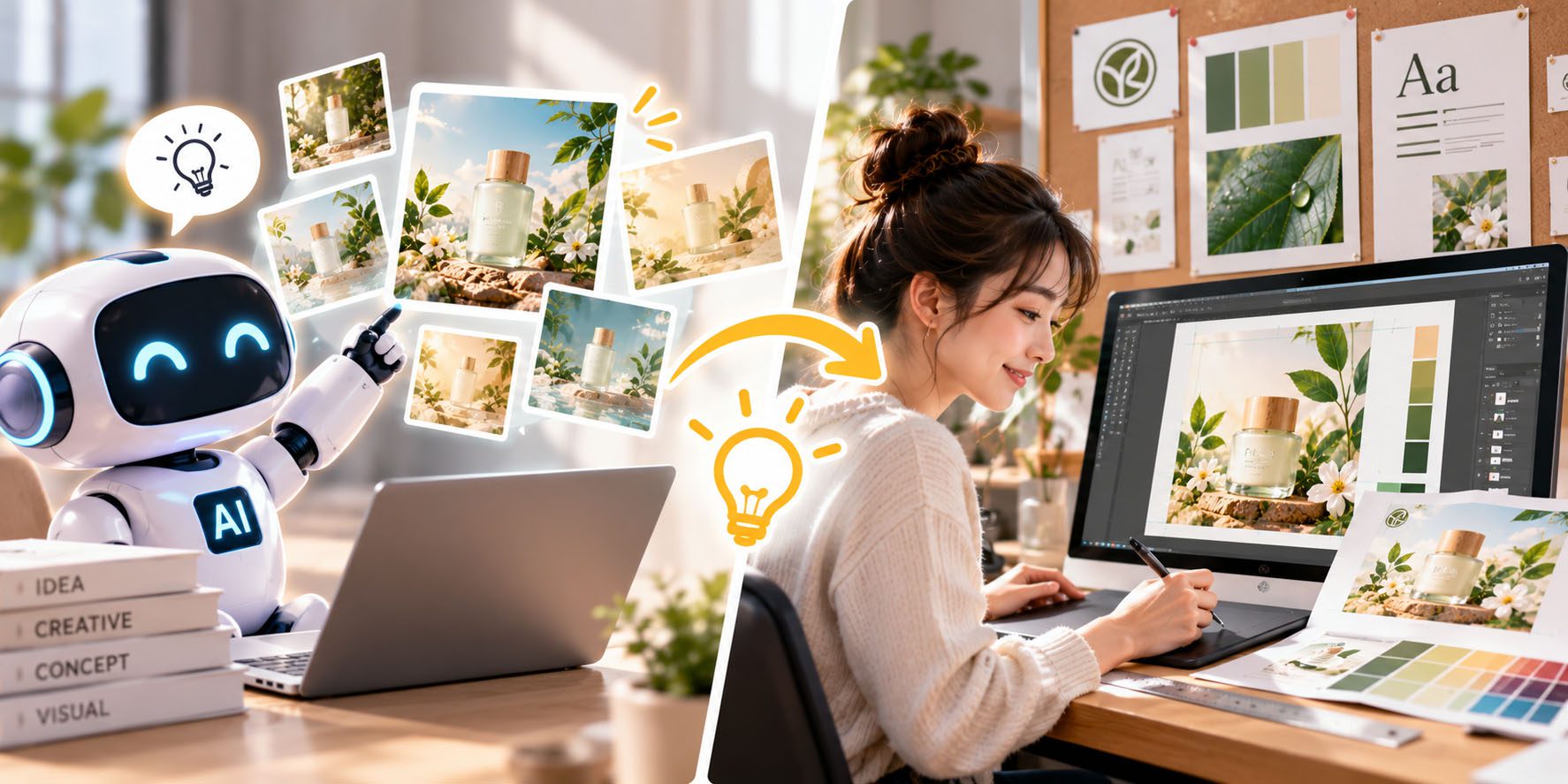
Concept → AI Visualisation → Designer Refinement → Production
Not: “Enter prompt → Generate → Print directly.” AI is excellent for ideation and visualisation, but turning a concept into a usable brand asset still requires a designer’s refinement.
Common Problems with AI-Generated Images
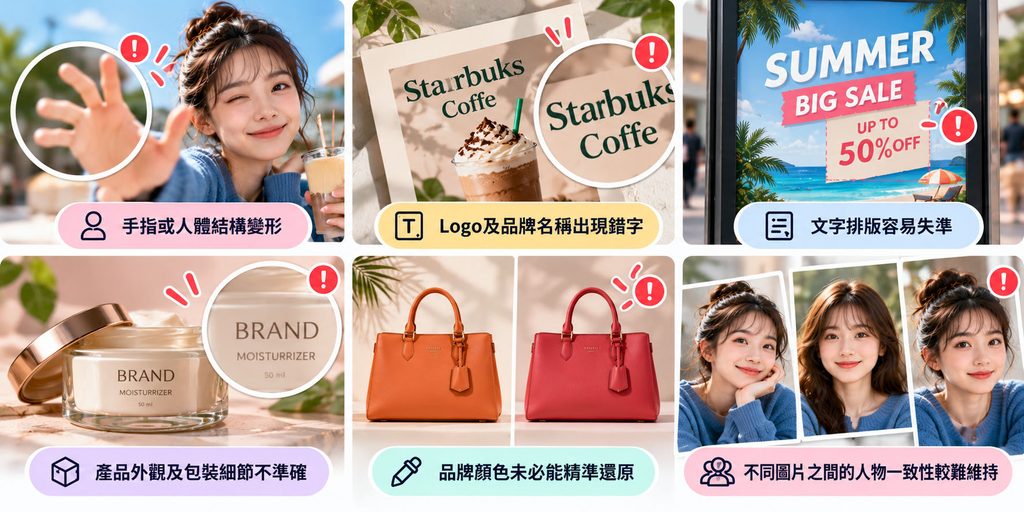
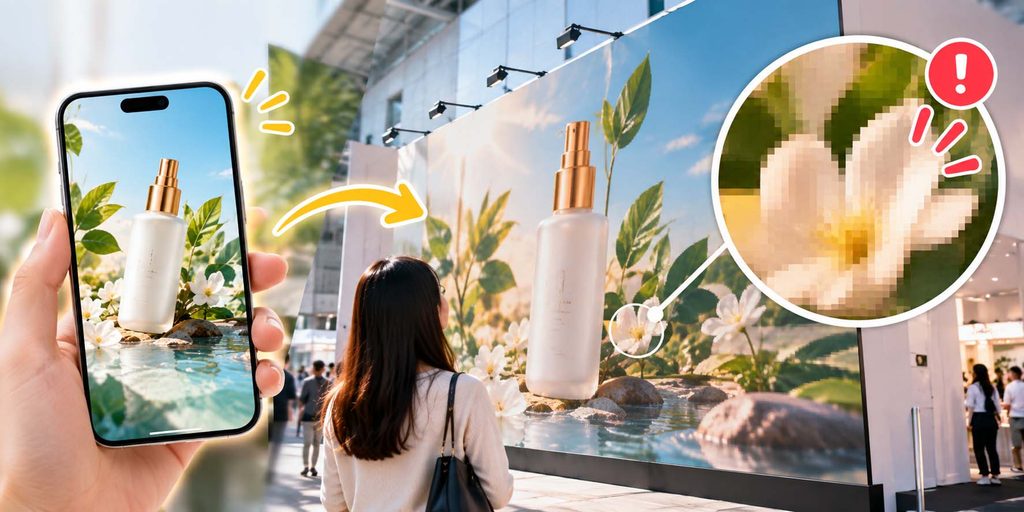
Despite their appeal, AI-generated images still have clear limitations, including distorted fingers or body proportions, misspelled logos or brand names, inaccurate typography, imprecise product appearance and packaging details, brand colours that don’t match exactly, and difficulty maintaining consistent characters across multiple images. These issues become especially obvious when details are enlarged.
Can AI Images Be Printed Directly?
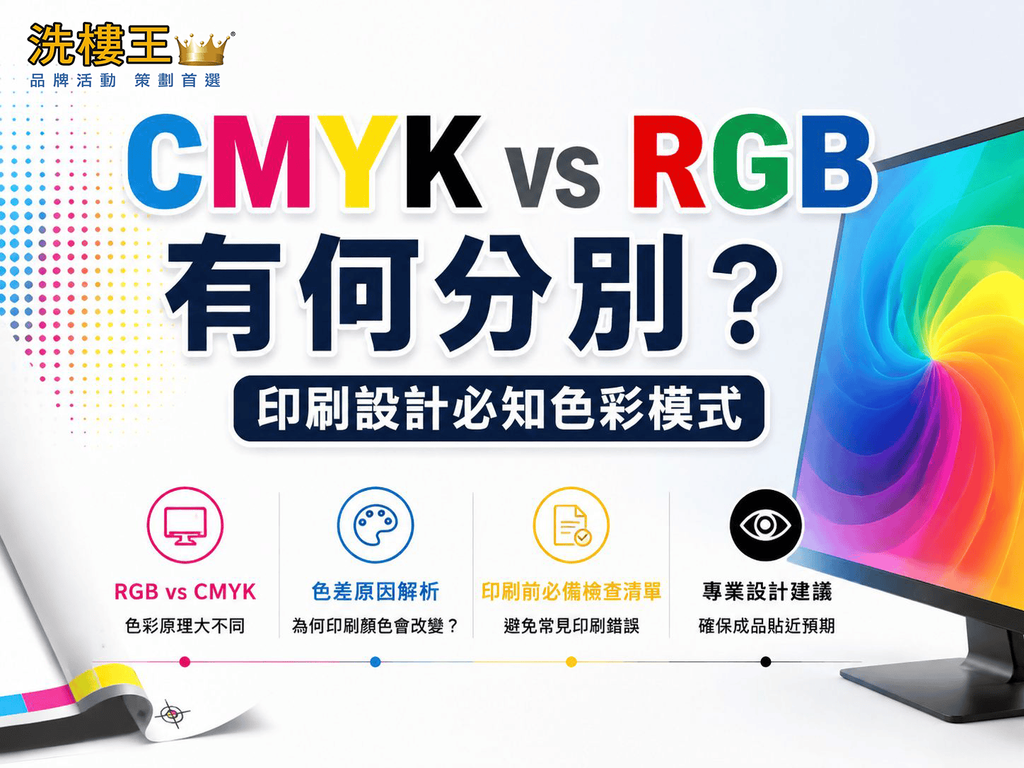
The answer depends on resolution and how the image is processed. Raw AI-generated images are typically low resolution, and using them for print as-is often results in blurriness or pixelation. Before printing, brands need to check image resolution (DPI), correct image dimensions, converting RGB colours to CMYK, allowing for bleed, and sharpness and colour accuracy at large-format sizes. To understand more about the difference between RGB and CMYK and how to convert between them, screens use the RGB colour system while printing uses CMYK — the two work on entirely different principles, which directly affects how the final piece turns out. For more detail, see our guide on CMYK vs RGB Colour Modes (CMYK vs RGB: What’s the Difference? A Printing Color Guide to Avoid Color Shift).
Extra Caution Needed for Large-Scale Event Production
AI-generated images used for backdrops, foam boards, exhibition panels, large posters, booth walls, or vehicle wraps carry higher risk. An image may look fine on a phone screen, but once enlarged to 2–5 metres, common AI issues like low resolution and detail errors become fully visible.
The Brand Identity Problem: “Pretty” Isn’t the Same as “On-Brand”
AI can produce something visually appealing, but that doesn’t mean it’s on-brand. Brand design still needs to account for brand guidelines, typography, corporate colours, logo usage rules, tone and manner, target audience, and consistency across campaigns — areas where AI alone tends to fall short.

AI vs. Designers: It’s Not an Either-Or Choice
The most effective approach divides the work: AI accelerates the creative process — generating ideas, reference material, direction, and quick visualisations — while designers turn that creative input into a deliverable brand asset, handling brand consistency, layout, typography, final artwork, and print specifications, and assessing production feasibility.
A Note on Copyright and Commercial Use
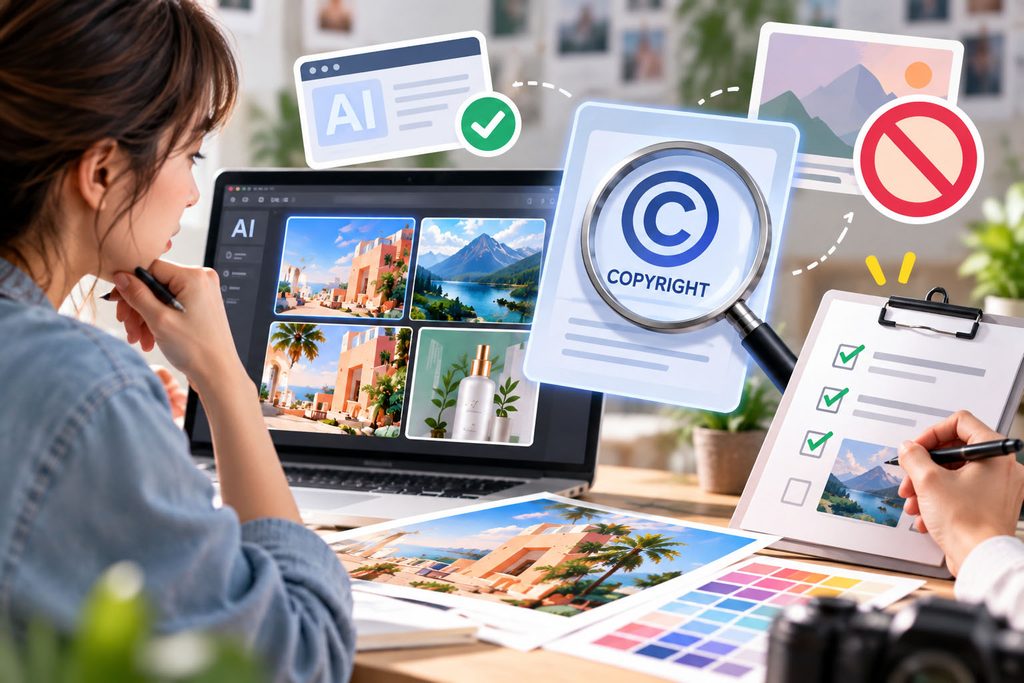
Before commercial use, brands should confirm the terms of the AI platform used, and should not assume all generated content can be used without restriction. Brands should also avoid generating content that closely resembles other brands or artists’ work, and a manual review is recommended before any campaign officially launches.
Conclusion
Have an AI concept or AI-generated visual reference, but not sure whether it can go straight into production? Flyer King offers a full-service solution for brands — from concept development and design refinement to final artwork, printing, and event production — with dedicated support at every stage.
Great ideas deserve the right partner to bring them to life|Contact Flyer King ›